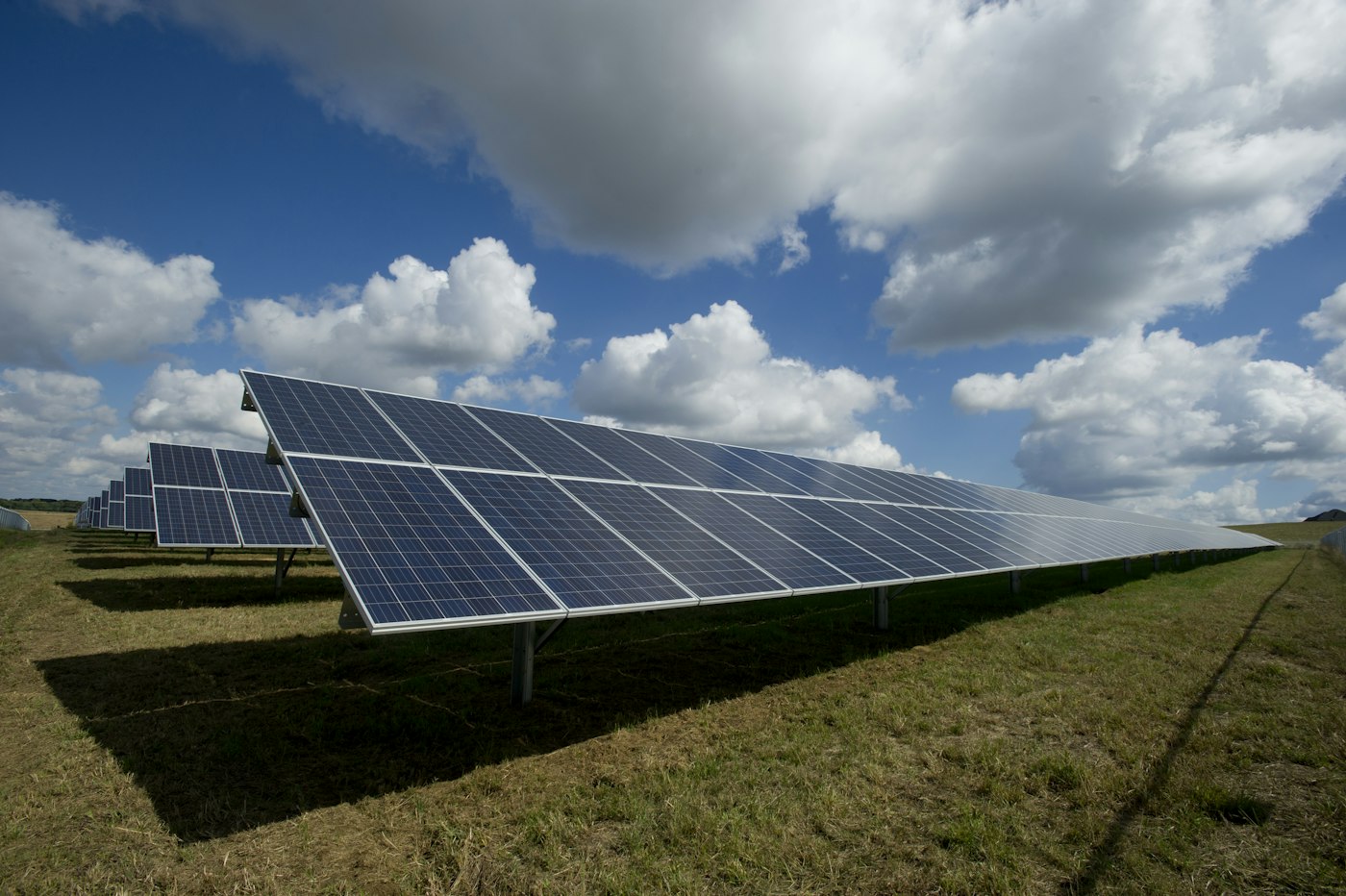
What if your electricity bill could drop by 80% in the next six months?
Thousands of Australian households are discovering a solution that most energy providers don't want you to know about.
Discover How
Three years ago, a family in Brisbane was paying over $680 every quarter for electricity. Today, they pay less than $120. Nothing about their lifestyle changed. They didn't reduce consumption or sacrifice comfort.
What changed was their energy source.
Most Australian households accept rising energy costs as inevitable. But there's something utility companies rarely mention: the grid itself is outdated.
Every time you flip a switch, you're paying not just for electricity, but for decades-old infrastructure, distribution losses, and profit margins stacked on top of each other.
Meanwhile, the sun delivers more energy to your roof in one hour than your household consumes in an entire month.
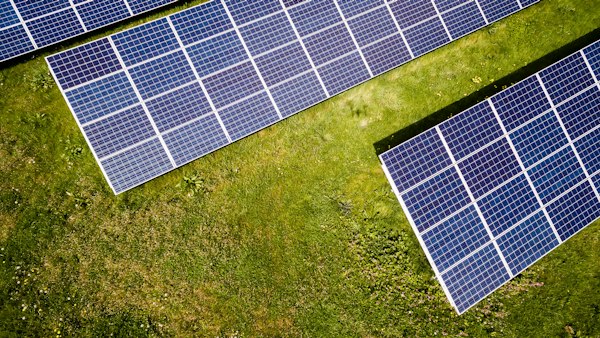
Australia receives the highest solar radiation per square meter of any continent. This means solar panels here generate up to 40% more energy than equivalent systems in Europe or North America.
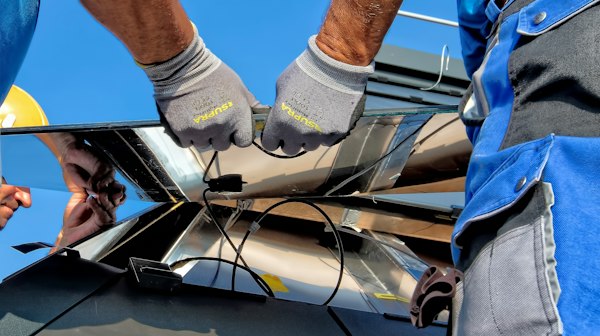
Early solar panels degraded quickly under harsh UV exposure. Modern photovoltaic systems are engineered specifically for Australian conditions, with heat-resistant materials that maintain efficiency even at 45°C.

With current energy prices and government incentives, most residential solar installations pay for themselves within 3.5 to 5 years. After that, every kilowatt-hour is essentially free.
Research from the Australian Renewable Energy Agency confirms that residential solar photovoltaic systems can reduce household electricity costs by 70-90% when properly sized and installed [1].
The key factor is matching panel capacity to your actual consumption patterns. Most households overestimate their needs, leading to unnecessarily high upfront costs. Our approach is different.
Studies on solar efficiency in tropical and subtropical climates demonstrate that panel orientation and tilt angle can improve energy capture by up to 35% compared to standard installations [2].
"We were skeptical about the return on investment. The numbers seemed too good to be true. But our system paid for itself in four years, and now we're actually earning credits from excess generation."— Marcus Chen, Sunshine Coast
"Installation took less than two days. The team handled all the paperwork for government rebates. Our quarterly bill went from $720 to $95 in the first year."— Jennifer Morrison, Perth
"The monitoring app shows exactly how much energy we're generating in real-time. On sunny days, we generate more than we use. That feeling of energy independence is hard to describe."— Robert Williams, Adelaide

From the moment your system connects to your home, you begin drawing power from your panels instead of the grid. Most customers see a 60-75% reduction in their first bill.
Energy costs have risen an average of 8% annually for the past decade. Solar locks in your rate at essentially zero, regardless of what happens to grid pricing.
Homes with solar systems sell for an average of $15,000-$25,000 more than comparable properties without solar.
Every home is different. We design systems based on your actual usage, roof characteristics, and budget.
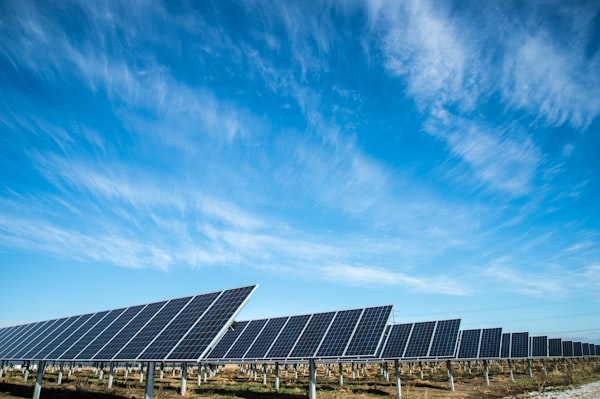
Complete system design, installation, and commissioning for homes. Includes panel mounting, inverter setup, grid connection, and monitoring system.

Add energy storage to capture excess generation for use during evening hours or grid outages. Includes battery bank, management system, and backup switching.
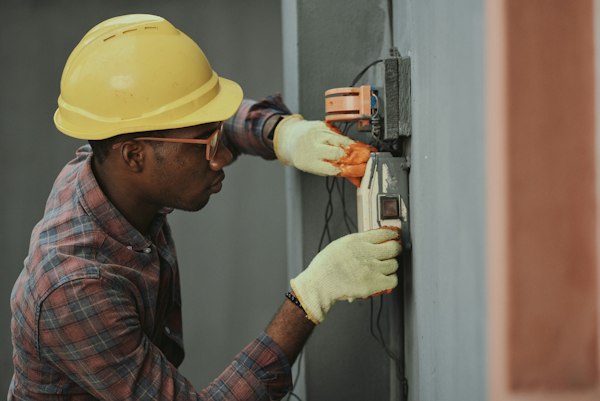
Enhance existing solar installations with modern panels, improved inverters, or additional capacity. Includes efficiency assessment and component replacement.
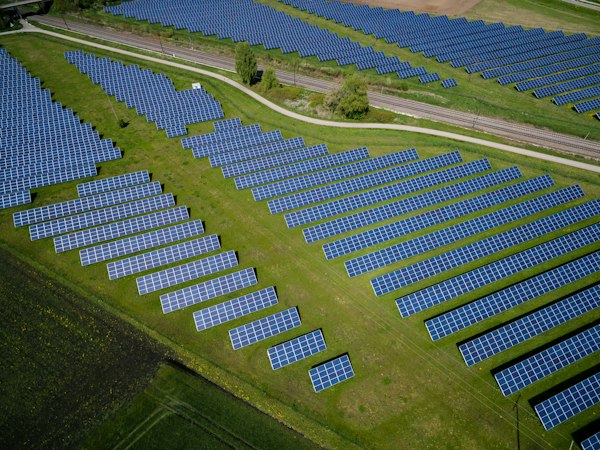
Scalable solutions for businesses, warehouses, and multi-unit properties. Engineered for high-volume energy offset and fast ROI.

Annual inspection, cleaning, performance testing, and real-time monitoring dashboard. Ensures maximum efficiency over system lifetime.
Please select a solution above to continue
It's whether you'll take action before energy prices climb higher.
View SolutionsThe information provided on this site is for educational purposes and should not be considered a substitute for professional energy consultation. Results may vary based on individual property characteristics, consumption patterns, and local climate conditions. We recommend consulting with a certified energy assessor before making any installation decisions.